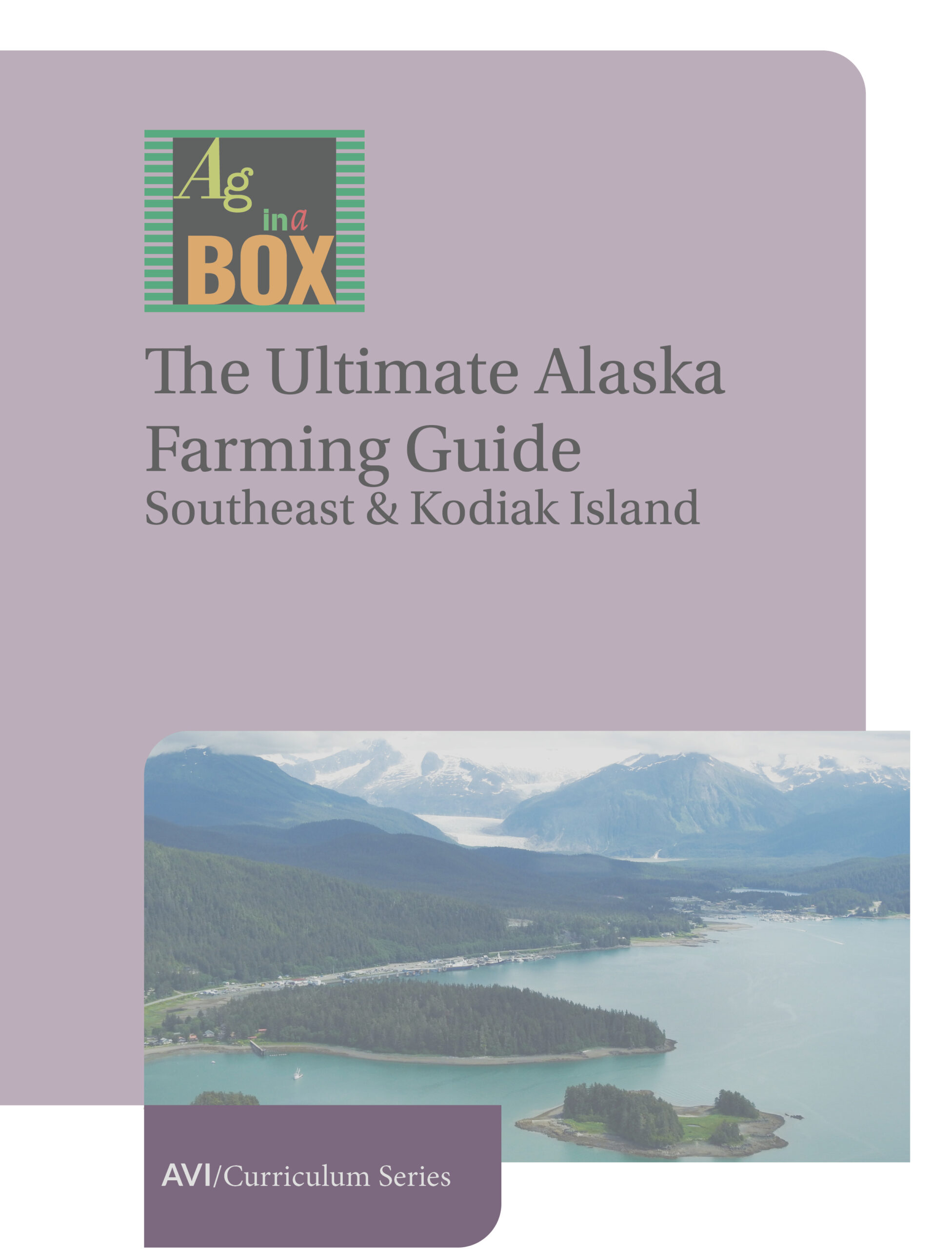
Discover the ultimate guide to farming in Southeast Alaska and Kodiak Island. This comprehensive resource covers everything from soil preparation and planting techniques to pest control and harvesting strategies. Learn about the unique challenges and opportunities of farming in this region, with expert advice tailored to local conditions and recommended varieties for success. A must-have for both beginner and experienced gardeners and farmers.
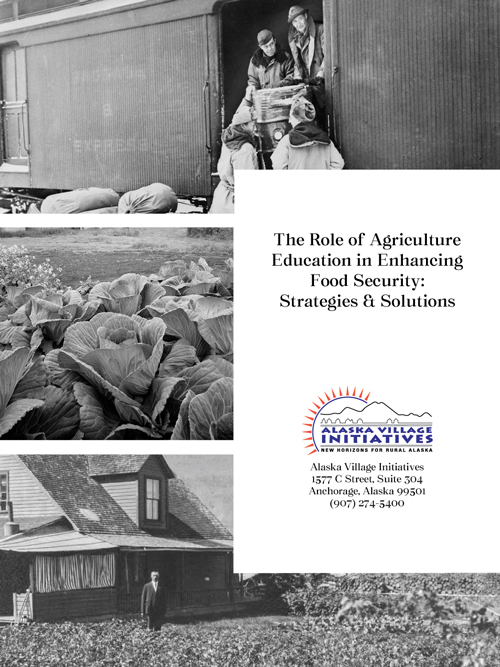
This report examines the impact of AVI on agricultural education in relation to food security. It outlines strategies for sustainable agriculture, providing both historical context and analysis of current practices. The text also explores innovative methods to enhance rural food production, including the use of incubator farms and a targeted 2027 four-month training program at Pitka Farm, located in Anchorage.
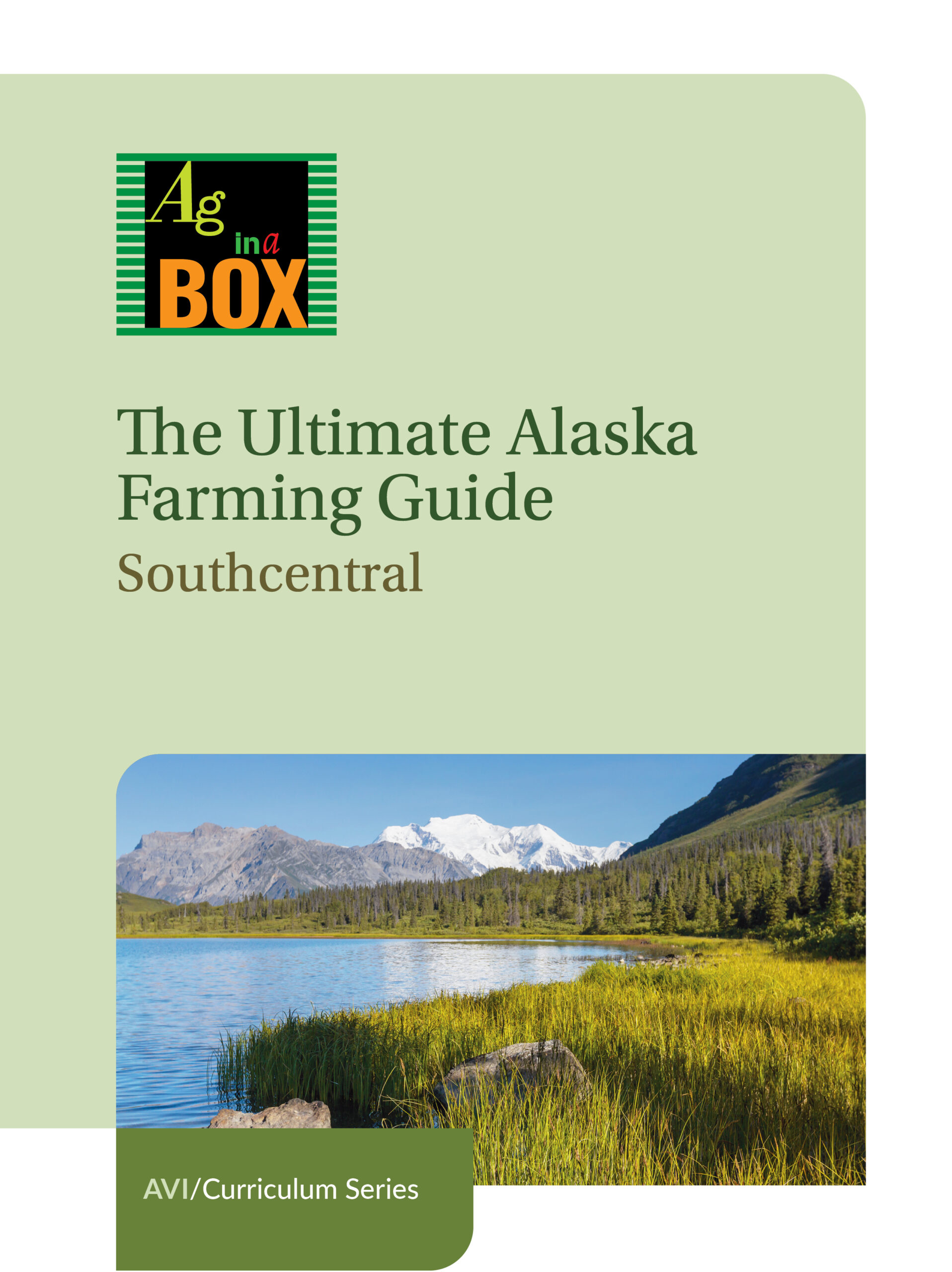


This guide helps you succeed at farming in Southcentral Alaska. It explains frost dates, USDA hardiness zones, planting schedules, and pest control, giving you the tools to grow a healthy garden or farm in Alaska’s unique climate. You’ll find advice on traditional methods like the three-sisters planting technique, along with up-to-date tips for soil care and fertilizing. Whether you’re just starting out or have years of experience, this book is made for Alaskan gardeners.


a

Publications

For fifty years, I have worked to produce newsletters, annual reports, and a range of documents that serve the needs of organizations and communities. I am grateful that technology has made this work more accessible, freeing me from the days of typing every word and using hot wax for layouts. Tools like Quark Express and InDesign have changed how I tackle each project, but the most significant change has been learning to work in three layers: tools, layouts, and notations. Tools are more than just software; they include checklists, workflows, and reusable assets that help teams work efficiently and reliably. Layouts—grids, templates, and master pages—provide a foundation for each issue to be both coherent and appealing, supporting the message we want to share. Notations, such as style guides, naming conventions, and document metadata, ensure that our work stays accessible and useful to others, both now and in the future.

This three-part approach is at the heart of how I support projects and teams. For example, the Alaska Village Initiatives resource index is built around these parts: practical tools like guides and worksheets that help people get started, layouts that offer reusable frameworks for concise and impactful communication, and notations that set standards for standardization among different authors and over time. With these components, we can create processes that are both dependable and adaptable, meeting the needs of each project without sacrificing quality. What began as a paste-up bench has become a dashboard, providing toolkits for a strong start, templates for dependable results, and a shared language that makes collaboration and handoffs easy for everyone involved.

After fifty years, I recognize that the real value of modern publishing lies in how these systems quietly support the people doing the work. Tools make workflows manageable, layouts preserve quality, and notations carry the story forward from one issue to the next. When these parts work together, the process becomes seamless for both creators and readers, allowing the focus to remain on the message and the needs of the community.